

Safety at Steigerwaldt: Cold Weather Safety
Welcome to Fall! We are in the midst of school starting, leaves changing hues, and cooler weather coming. While the fall equinox just occurred, weather changes quickly in the Northwoods. It’s never too early to plan ahead so that you are prepared for when the cold winds start and the snow starts to fall. Winter conditions can bring cold enough air to cause cold weather-related injuries.
The main cold weather injuries that can occur are as follows:
Frostbite
Frostbite affects exposed skin, especially small body parts such as fingers and toes. The signs of frostbite are very cold skin that is numb, becoming hard, and turning pale in color. You will have high discomfort in these areas during this process. This is a warning that you need to get somewhere warm before the damage is irreversible. A mild case of frostbite can heal on its own over time as long as the affected area is kept warm. Severe cases of frostbite will not heal on their own and will require medical attention to prevent further damage to the body part. If frostbite is severe enough, a person can lose fingers, toes, or other areas of skin.
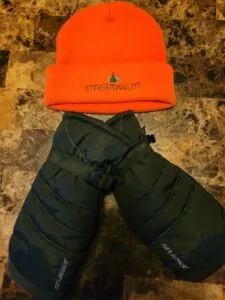
Frostbite can be prevented by simply staying warm while braving the elements of winter. Some simple gear to bring or wear outdoors while working or for leisure are as follows:
- Winter hat
- Winter coat
- Long underwear
- Windbreaker
- Insulated boots/ winter muck boots
- Gloves/mittens
- Mittens rated from -20 to -40 can be very helpful during cold blasts as fingers are very common appendages to get frostbite. Mittens provide heat to all your fingers as they are in one space, whereas gloves keep the heat in on each individual finger with each finger exposed to the elements.
- Buff/dickie/face cover
- Protects your face from frost damage when it is cold and windy
- Flannel-lined jeans/seal skin
If you go into the field with all the correct gear but still feel you are getting cold, it is helpful to start moving around to increase your blood flow to warm you up. It is also important to not go into the field overdressed because this can cause you to sweat. When you sweat in cold air, you are now putting extra energy into keeping that fluid warm, and if you stop moving, the sweat will become cool. In the end, this will cause you to feel cold or hypothermic. The best way is to pack extra layers with you and use as needed.
Hypothermia
Hypothermia results when your body temperature begins to cool to unsafe temperatures which can be deadly. The most common ways to catch hypothermia are sweating in the cold that then cools you too much, being submerged in cold water then being exposed to cold air (this can range from falling through ice to snow melting on you), being caught in a cold rain, or not dressing warm enough.
As we can see, most instances that lead to hypothermia are caused by the combination of water and cold air. Hypothermia is also possible in above-freezing temperatures as this can still cool your body to a dangerously low level. The most common symptoms of hypothermia are as followed:
- Shivering
- Exhaustion
- Your body is using up its stored energy. Food can help regain that energy.
- Confusion or memory loss
- Mostly occurs from the brain cooling too much and not working properly.
- Slurred speech
- Drowsiness
The best ways to help someone with hypothermia is to:
- Get them to a warm place
- Remove any wet clothing as this will only continue to take away body heat
- Heat the core of the body first as it is the most important, followed by limbs.
- Skin-to-skin contact
- Will heat someone but is not recommended as it can also cause the helpful friend to become cold.
- Heated blankets, warm drinks, dry clothes, and a source of heat are the best methods.
Avoid heating the person with hypothermia too fast as this can cause them to go into shock. It is also important to bring snacks with you in the field during winter as you are burning more calories than usual. Running low on energy in winter is dangerous; calories lead to the heat that keeps you warm. It is also important to continue to drink water. Even though you aren’t sweating, your body still is constantly losing water.
As the ice starts to form, remember to be smart before walking out on it and remember to go into the cold prepared.
Winter Driving
It is also important to become aware of your surroundings while driving. This time of year, roadways will start to become icy, covered in snow, and possibly not passable. It is important to be prepared for hazardous driving conditions and know what to do in slick situations. Some simple things that you can do now before winter is in full force is to:
- Check/purchase new tires- having good tires can help you keep better traction on the road and help improve your gas mileage.
- Check to see if your car has 4 wheel or all-wheel drive as this feature helps you have better traction, provides safety in slippery situations, and can get you out of deeper snow.
- New wipers- with snow, water and salt residue, it is important to have good wipers to keep your windshield clean.
- Windshield washer fluid – check to make sure your car has this fluid and have extra in the trunk as it will help you see when the salt and snow builds up on your windshield.
- Allow yourself extra time for commuting as you may have to drive slower.
- Pack extra layers in your trunk in case an accident or car troubles occur so you can stay warm.
- Keep a full tank of gas in case you are stuck in a storm and there aren’t a lot of gas options around.
With the holiday season approaching, there will be more people than usual on the roads. It is important to practice safe winter driving and allow yourself extra time to travel if necessary. If conditions take a turn for the worse, a simple 30-minute drive can turn into an hour+ drive. Stay safe on the roads by planning ahead, allowing yourself extra time, and being prepared for the unexpected. Also, be aware of snowmobiles and skiers that may be crossing slippery roadways.
Stay Updated with Steigerwaldt
Sign up to news on sustainable resource management from our experts.