
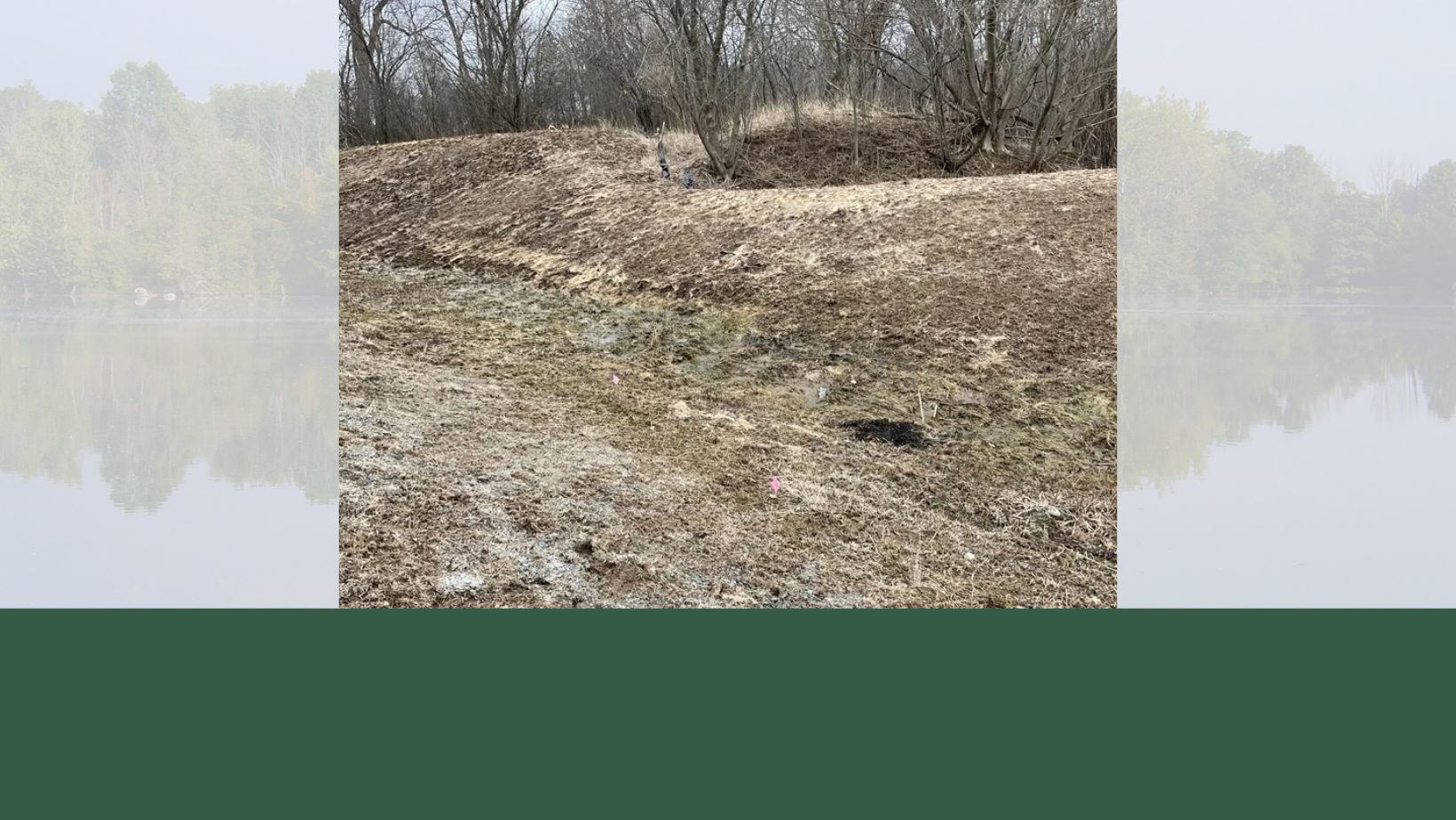
Winter sowing is a way to make sure that native plant seeds get the cold and moist period they require for germination. Native plants often require stratification in order to reach their full potential. One of the most cost effective and efficient methods for common ecosystem restoration is a post frost seeding. This method leverages the natural freeze-thaw cycles of winter and early spring to create the best conditions for seed germination. Wisconsin’s landscape was once dominated by large prairies that were packed with diverse native plants. This has now been largely converted to agricultural and developed land. There is a growing movement to restore the vital Wisconsin native prairie plants for their benefits to biodiversity, soil health, and water quality.
How does it work?
We broadcast seeds into the soil’s surface during late winter or early spring. This time frame can range from January to early March. The important thing is the freeze cycles that follow seeding. As the ground freezes at night and then thaws in the sun during the day, the soil surface works its way around the seeds, moving small native seeds into the soil and providing soil contact for germination. This freeze/thaw cycle can also soften the hard coating of the seeds, allowing for easy germination once the temperatures rise.
This method mimics the natural processes that prairie plants are used to as they seed out in the fall and are stratified in the soil over the winter. This process ensures that native plants are ready to sprout as soon as conditions are favorable, reducing the amount of time non-desirable plants have to steal resources.
Why do it?
It is very cost effective. This process is often done without the use of tilling or planting equipment. There are no erosion barrier materials to install. Because it is a dormant seeding, you are not required to water. Labor costs are low, and this means you can invest your funds into high-quality seed for a larger area. By getting the seed on the ground in winter, you improve seed-to-soil contact without tilling and disturbing the carbon sequestration process. You also have reduced competition from weeds. This process is also useful in varied terrains from sloping hillsides to flat plains, and even in rutted and heavily disturbed pastures.
Benefits
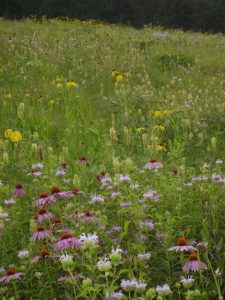
A restoration seeding like this provides a host of benefits for you and wildlife alike. It is a biodiversity hotspot that provides critical habitat and food sources for pollinators, ground nesting birds, and small mammals. Supporting pollinators contributes to the reproduction of food crops. Native species are climate resilient and aesthetically pleasing. Deep root prairie systems can enhance soil structure, increase organic matter, improve water filtration, and help reduce runoff.
-Dani DeCloux, Operations Manager-Environmental/Logistics and Planning Manager
Stay Updated with Steigerwaldt
Sign up to news on sustainable resource management from our experts.